Book a fixed-price airport transfer if you want the speed of a private car without the surge risk, but if you're deciding between the Tube and Uber specifically, here's exactly how they compare.
This one applies mainly to Heathrow, the only London airport with direct London Underground access, though we've covered the DLR at London City too since it's often grouped in the same conversation.
Key Takeaways
- The Piccadilly line is the cheapest way into central London from Heathrow, a flat £5.90 with contactless or Oyster (Zones 1-6), though the slowest at 50-60 minutes.
- The Elizabeth line is faster but pricier: £15.50 flat, 24/7, taking roughly 30-45 minutes depending on your destination, and has run this way since its cheaper off-peak fare was scrapped in March 2026.
- Both Underground fares are the same regardless of time of day, unlike Uber, where price can vary significantly with demand.
- Uber typically costs £35-85 off-peak for the same route, but can exceed £100 during surge, and now carries 20% VAT on top since 2 January 2026.
- London City's DLR runs directly from inside the terminal building, £3.20-£6.70 to Bank or Canary Wharf, but doesn't run overnight.
- Neither the Tube, DLR nor Uber offers meet & greet or automatic flight-delay handling, the two things that actually matter most after a long-haul flight.
1. How the Underground Options Actually Compare at Heathrow
Heathrow is served by two direct rail links that use Underground-style ticketing: the Piccadilly line and the Elizabeth line. They're often lumped together as "the Tube," but they're meaningfully different in both price and speed.
Piccadilly Line
The traditional, cheapest option, a flat £5.90 fare with contactless or Oyster, running from all four terminals to major central stations like King's Cross, Green Park and Piccadilly Circus. The trade-off is time and comfort: expect 50-60 minutes, limited luggage space, and no air conditioning on much of the fleet.
Elizabeth Line
The newer, faster option, £15.50 flat at any time of day (the previous cheaper off-peak fare was scrapped in March 2026), reaching Paddington in around 30 minutes and continuing through central London to Liverpool Street. Trains are wider and considerably more comfortable with luggage than the Piccadilly line, running roughly every 5-10 minutes.
Both fares apply regardless of when you travel, with no peak or off-peak variation to plan around, which is one genuine advantage over ride-hailing pricing.
2. How Uber Pricing Compares
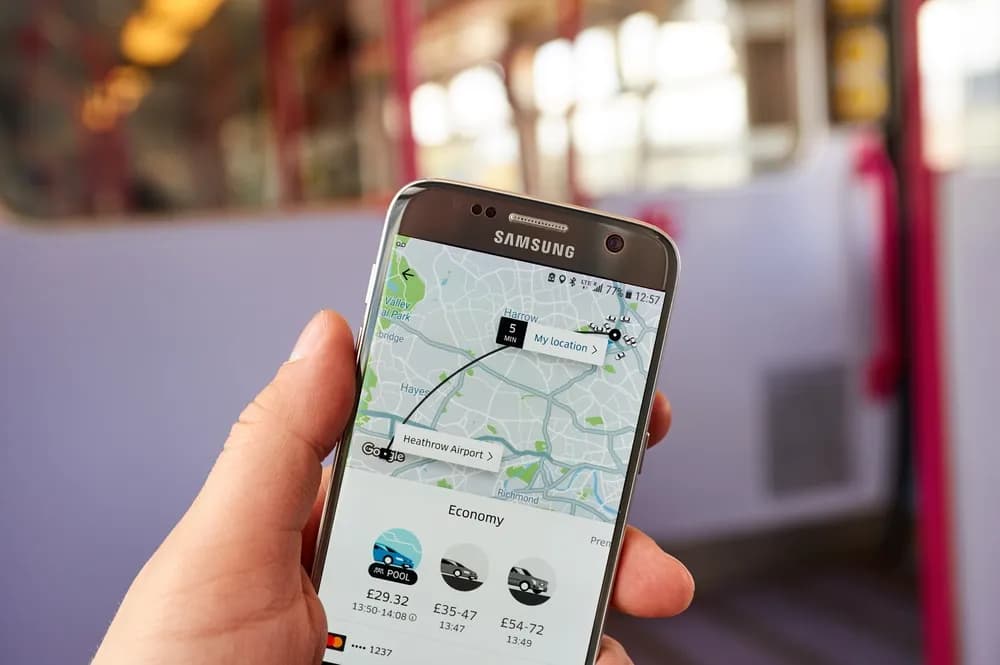
Uber typically quotes £35-85 for a Heathrow to central London journey outside of surge conditions, already a wider range than either Underground option since it depends on exact traffic and destination.
Since 2 January 2026, all UK Uber and Bolt fares carry 20% VAT on the full amount, adding roughly £10-15 to a typical journey compared with 2025 pricing. During surge, common around peak arrival waves and bad weather, fares can exceed £100 for the same route that costs £5.90 on the Piccadilly line.
3. What About Other London Airports?
Heathrow is the only London airport with genuine Underground (Piccadilly line) access. The other airports use different rail connections entirely:
- Gatwick, Stansted and Luton are served by mainline rail (Gatwick Express, Stansted Express, Thameslink/EMR to Luton Airport Parkway), not the Underground network, so this specific comparison doesn't directly apply there. Those routes compete against Uber on broadly similar terms but with different fare structures and no daily cap interaction with an Oyster card.
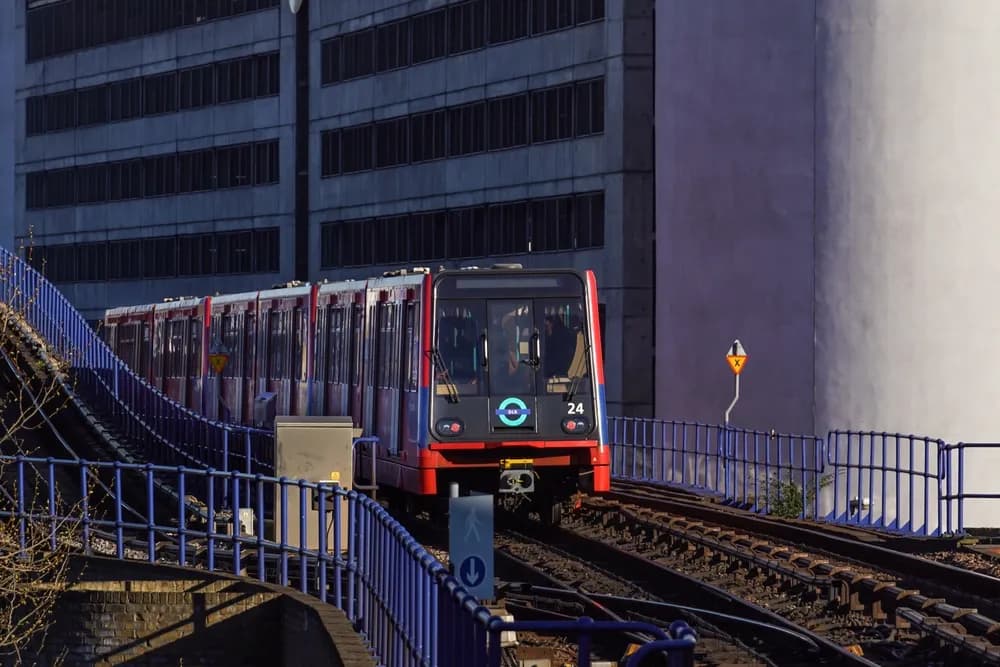
- London City is served by the DLR (Docklands Light Railway), which sits inside the same TfL fare zone system as the Tube. The DLR station is directly inside the terminal building, trains run roughly every 10 minutes, and a single fare to Bank (Zone 1) costs between £3.20 and £6.70 depending on payment method, one of the cheapest airport-to-city links anywhere in London. The key limitation: the DLR does not run overnight, making it unsuitable for very early or very late flights.
4. Head-to-Head Comparison
| Factor | Piccadilly Line | Elizabeth Line | DLR (London City) | Uber/Bolt |
|---|---|---|---|---|
| Fare | £5.90 flat | £15.50 flat | £3.20-£6.70 | £35-85 off-peak, £100+ surge |
| Journey time | 50-60 min | 30-45 min | 20-30 min to Bank | 20-90 min (traffic-dependent) |
| Fare varies by time of day? | No | No | No | Yes, surge-based |
| Runs overnight? | Limited | Limited | No | Yes, subject to availability |
| Door-to-door? | No | No | No | Yes |
| Meet & greet | No | No | No | No |
5. When the Tube or DLR Wins
- Solo travellers with light luggage on a budget. The Piccadilly line's £5.90 fare, or the DLR's £3.20-£6.70 at London City, is unbeatable on price for a single traveller who doesn't mind a station transfer.
- Anyone wanting price certainty regardless of time of day. None of these fares change with demand, useful for landing at an unpredictable time without worrying about surge.
- Travellers needing a specific Underground or DLR connection. All three connect directly into the wider TfL network, useful if your final destination is a few stops from a served station.
6. When Uber Wins
- Groups sharing one fare. Split three or four ways, an off-peak Uber fare can undercut multiple individual Tube or DLR tickets, particularly against the Elizabeth line's £15.50 per-person rate.
- Heavy luggage or reduced mobility. A private car removes the need to navigate stairs, escalators, and a station transfer at the other end.
- Very early or very late flights at London City, where the DLR simply isn't running and a car becomes the only realistic option besides a black cab or minicab.
- Destinations not well served by rail. If your final stop isn't near a served station, a car avoids an additional connection.
7. What Neither Option Solves
Both rail options and Uber share the same real weakness for an actual airport journey: neither adjusts for flight delays, and neither puts a driver or representative in the arrivals hall waiting specifically for you. A delayed flight simply means whatever fare or ticket you'd planned around no longer matches your actual arrival time, and Uber's surge risk is often highest during exactly the kind of mass-delay scenario (bad weather, air traffic control disruption) that also makes public transport more crowded.
A pre-booked private transfer like GM Rides solves this directly: the fare is fixed regardless of when you actually land, a driver tracks your flight and adjusts pickup automatically, and you're met inside arrivals rather than navigating a station or hailing a kerbside pickup with luggage in tow.
8. Accessibility: An Important Caveat on the Piccadilly Line
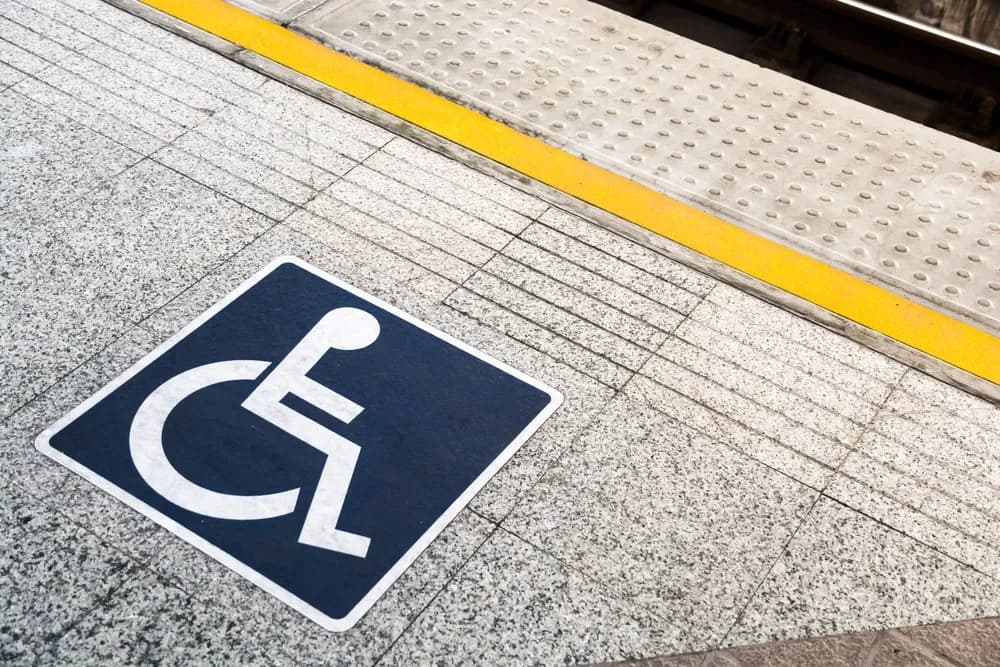
The Piccadilly line's Heathrow stations are step-free, but this isn't true of every station further into central London. Several older stations on the line still lack lifts or ramps, meaning a wheelchair user or anyone with heavy, wheeled luggage and mobility difficulty may need to plan a step-free route in advance using TfL's official step-free access map rather than assuming any Piccadilly line station will work.
The Elizabeth line, being newer infrastructure, has step-free access at every one of its stations, a genuine advantage for accessibility regardless of the fare difference. Uber, by contrast, offers door-to-door access with no station navigation at all, though a wheelchair-accessible vehicle specifically needs to be requested and may involve a longer wait than a standard car.
9. Fare Capping and Multi-Leg Journeys
Both the Piccadilly line and Elizabeth line fall under TfL's daily and weekly fare capping system when paid by contactless or Oyster, meaning if you take multiple Tube or bus journeys on the same day, your total spend is automatically capped at a set daily maximum. This can make rail transport considerably better value than a single glance at the airport fare suggests, particularly for a multi-day trip where you'll be using the Tube network again anyway.
Uber fares don't interact with this system at all. Each journey is priced and charged independently.
Conclusion
Want a faster, more comfortable journey and don't mind the higher flat fare? The Elizabeth line strikes a genuine middle ground on price and speed.
Travelling as a group, with heavy luggage, outside DLR/Tube operating hours, or want to avoid the risk of Uber surge? A pre-booked transfer offers the same price certainty as rail with the door-to-door convenience Uber promises but doesn't fully deliver once surge and VAT are accounted for.
How We Compared These: Our Methodology
Fares and journey times for the Piccadilly line, Elizabeth line and DLR are drawn from Transport for London's official current fare tables, cross-checked against Heathrow and London City's own transport pages. Uber and Bolt figures reflect documented off-peak baselines and surge multipliers, alongside the confirmed 20% VAT change effective 2 January 2026.
We've been explicit about which airports this comparison actually applies to, since Underground access is genuinely limited to Heathrow and City, rather than implying it covers all London airports equally.
FAQs
Which Underground line goes to Heathrow?
The Piccadilly line serves all four terminals directly. The Elizabeth line also connects to Heathrow and offers a faster, more comfortable, but pricier journey.
Is the Elizabeth line worth the extra cost over the Piccadilly line?
For most travellers with any luggage, yes. Roughly £9.60 more buys a notably faster, more comfortable journey with better luggage space.
Does the Tube serve any other London airports?
No, only Heathrow has direct Underground access. London City is served by the DLR instead, and Gatwick, Stansted and Luton use separate mainline rail services.
Does Uber ever beat the Tube on price?
Rarely for a solo traveller, but for a group of three or four sharing one fare off-peak, an Uber can come close to or undercut multiple individual Tube tickets.
Why is Uber sometimes far more expensive than its usual quote?
Surge pricing, which can multiply fares by 1.5x to 3x during high-demand periods, combined with the 20% VAT now applied to every fare since 2 January 2026.
Is the Piccadilly line step-free the whole way?
Heathrow's own stations are step-free, but several older stations further into central London on the Piccadilly line are not. Check TfL's step-free access map in advance if this matters for your journey. The Elizabeth line has step-free access at every station.
Does my Tube fare count toward the daily cap?
Yes, when paid by contactless or Oyster, Piccadilly and Elizabeth line journeys count toward TfL's daily and weekly fare capping, which can make rail meaningfully better value if you're using the Tube network again later the same day.
Sources: Transport for London official fare pages, Heathrow Airport and London City Airport official transport pages, London Underground, Elizabeth line and DLR fare reporting (2026).